

WHAT IS HAPPENING?
- Two bills are being studied in the National Congress.
- The National Congress has begun a process of technical consultations and public hearings.
- Technical, legal and business experts and representatives of the Bitcoin ecosystem are taking part.
- The goal is to build a modern regulatory framework that balances innovation, security and consumer protection.
- The decisions taken will shape the Dominican digital economy over the next decade.
CLARIFYING NOTE
Bitcoin is a digital asset, but not all digital assets are Bitcoin. Bitcoin is a decentralized payment network with no central issuer. Stablecoins such as USDT are issued by private companies. Tokens and other crypto-assets respond to different architectures and risks. This distinction is fundamental in the current legislative debate.
Timeline
| Date | Event |
|---|---|
| 2017 | The Central Bank issues its first communiqué: virtual assets are not legal tender. |
| 2021 | The Central Bank reiterates the 2017 warning without changes. |
| Mar 16, 2026 | Deputy Carlos De Pérez files the first bill to regulate cryptocurrencies. |
| Apr 7, 2026 | The bill is referred to the Standing Committee on Finance of the Chamber of Deputies. |
| Apr 9, 2026 | Deputy Jorge Frías files the second bill: “Comprehensive Regulatory Framework for Digital Assets.” |
| Apr 28, 2026 | Marino Marrero Báez files an action of unconstitutionality before the Constitutional Court for legislative omission. |
| May 28, 2026 | The Finance Committee holds a technical roundtable with Tether, FINLABS, NEITEC and Grupo Multicómputos. |
| Jun 3, 2026 | Operation XL526: authorities dismantle a network in Santiago that used Bitcoin to launder assets. |
| Jun 8, 2026 | Public hearing in the National Congress. Technical and legal experts and representatives of the Bitcoin ecosystem take part. |
| 2026 → | The process continues. Pending: hearings with the Central Bank, the Superintendency of Banks and the tax authority (DGII). |
1. A country without a law in the world’s most dynamic market
On March 16, 2026, Deputy Carlos De Pérez walked to the General Legislative Secretariat of the Chamber of Deputies and formally filed a bill to regulate cryptocurrencies in the Dominican Republic. It was an ordinary Tuesday in the National Congress. But the gesture closed, at least symbolically, nearly a decade of institutional silence on an economic reality that kept growing outside the corridors of power.
By then, Dominicans had spent years buying, selling, sending and receiving digital assets. Cryptocurrency ATMs were operating in the country. Real-estate transactions were being tokenized. Thousands of people — many of them without access to formal banking services — were using Bitcoin and other cryptocurrencies to receive remittances from relatives in the United States, Spain and Puerto Rico. And yet the Dominican state did not have a single law regulating, protecting or supervising any of those transactions.
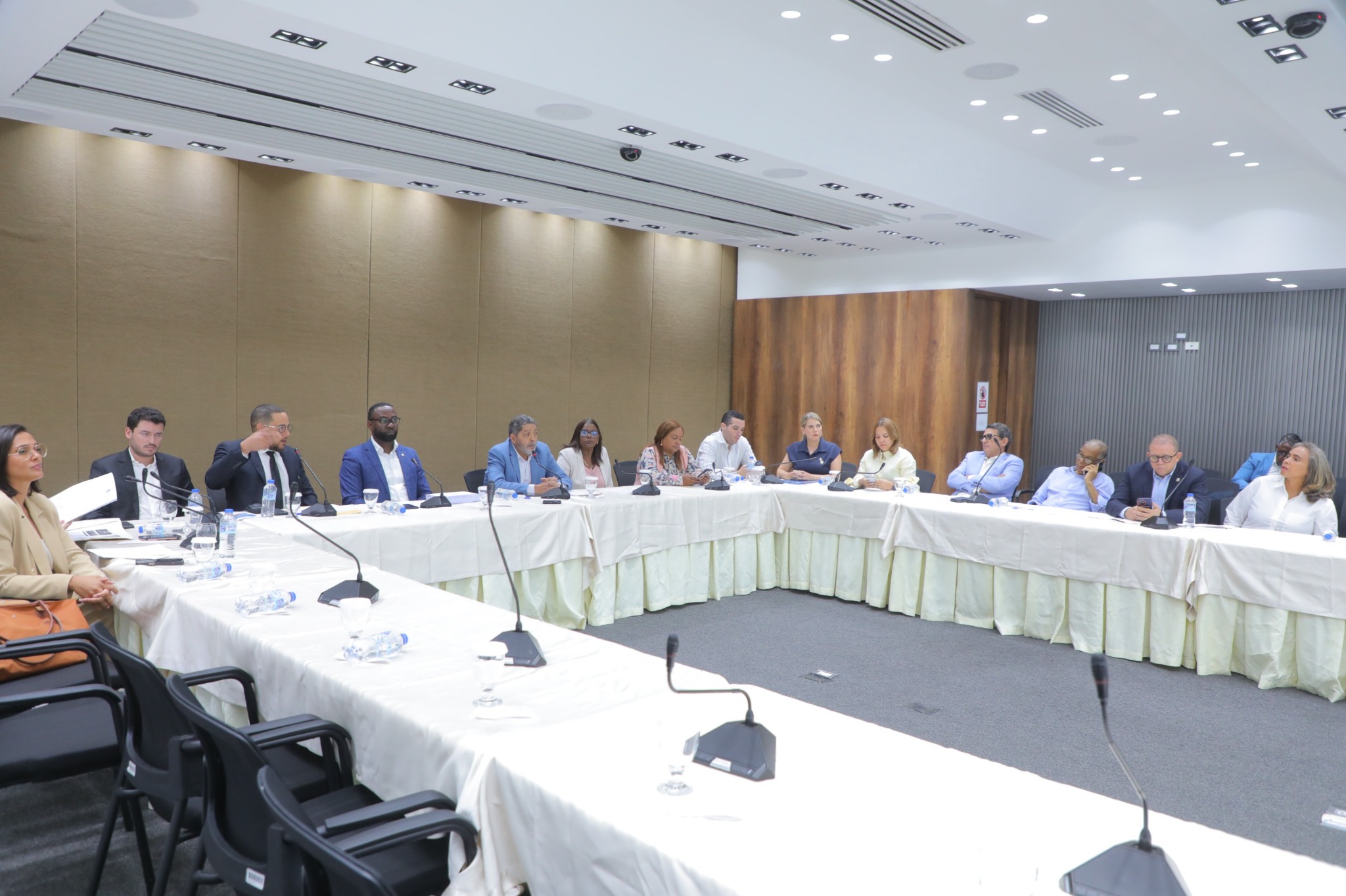
What followed the filing of that bill was a legislative process without precedent in the country’s recent economic history: two bills in the Finance Committee, an action of unconstitutionality before the Constitutional Court, a police operation that had public opinion debating the laundering of digital assets, and a series of hearings in Congress where deputies, entrepreneurs, lawyers and representatives of the Bitcoin ecosystem sat at the same table for the first time.
This is not a piece about the news of the day. It is a journalistic and documentary archive of the process by which the Dominican Republic is moving — with doubts, debates and differences — toward its first legislation on Bitcoin and digital assets.
2. A history of warnings without a legislative response (2017–2025)
The Dominican state’s official stance on Bitcoin began in 2017 with a warning. That year the Central Bank issued a communiqué clarifying that virtual assets were not “legal tender” in the country and that, consequently, they “do not enjoy the backing of the State.” The message was cautious but not prohibitive.
Four years later, in 2021, the Central Bank reiterated that same position without changes. The market, meanwhile, did not wait for the institutions.
Adoption of digital assets grew organically during that period. The diaspora discovered that sending remittances in Bitcoin could be cheaper and faster than traditional channels. Young entrepreneurs explored blockchain applications. Businesses in tourist areas began accepting cryptocurrency payments. All of this happened in a complete legal vacuum: no rules on taxation, no consumer-protection mechanisms, no licenses for operators.
The contrast with the region was visible. El Salvador adopted bitcoin as legal tender in 2021. The European Union approved the MiCA Regulation, phased in from 2023. Mexico, Colombia and Costa Rica were advancing their own regulatory frameworks. The Dominican Republic remained on the sidelines.
That omission was not a simple absence. It was, in practice, a form of implicit regulation: exclusions from the formal financial system without legal basis, institutional warnings that acted as barriers without any formal procedure to back them. That is exactly what Marino Marrero Báez would bring before the Constitutional Court in April 2026.
3. The first bill: “Order and security,” according to Carlos De Pérez
The bill filed on March 16, 2026 bears a name that defines its approach: “Law for the Prevention, Control and Regulation of Cryptocurrencies in the Dominican Republic.” It was drafted by judge Argenis García del Rosario, who presented it together with De Pérez before the president of the Chamber, Alfredo Pacheco Osoria.
The stated trigger was growth. According to figures cited by De Pérez, cryptocurrency use in the country had increased 52% over the previous year.
Tax classification. Bitcoin and other digital assets are defined as taxable property, with gains to be declared to the Dominican tax authority (DGII).
Licensing system. The proposal creates the figure of the “Calidad Certificante” (certifying status), a license from the Securities Superintendency allowing exchanges and custodians to operate legally.
Commercial recognition. The bill acknowledges the right of businesses to set prices in digital currencies, with an obligation to disclose volatility.
Anti-money-laundering. The initiative incorporates AML provisions.
In De Pérez’s own words on the program Esto No Tiene Nombre (our translation): “The digital asset market is much more active than some authorities want to acknowledge. The proposal does not seek to replace the Dominican peso as legal tender, but to create clear rules to guarantee legal certainty.”

4. The community responds: the risks of copying foreign models
Before the bill reached the Finance Committee, the Dominican Bitcoin community already had documented objections. The central problem identified was that the initiative appeared to transplant elements of the European MiCA Regulation into the Dominican context without first conducting field research on local reality.
“Regulating without conducting our own field research in the Dominican context is a form of speculation. This could hold back a development opportunity for the country.” (our translation)
The criticism was not a matter of principle against regulation — for years there had been public arguments that the lack of clear rules harmed users and entrepreneurs alike. What was questioned was the methodology: copying frameworks designed for very different economies and ecosystems without first consulting those operating in the Dominican market.
The result was not the blocking of the process but its opening: the bill was enriched with input from outside specialists, and representatives of the ecosystem began to participate actively at the congressional tables.
5. The second bill: Jorge Frías and the comprehensive framework
On April 9, 2026, Deputy Jorge Frías filed a second bill: “Comprehensive Regulatory Framework for Digital Assets and Crypto-Assets.” Its institutional architecture was more ambitious.
Its centerpiece was the creation of a National Council of Digital Assets and Crypto-Assets, made up of the Securities Market Superintendency, the Superintendency of Banks and the Central Bank. It also included the figure of digital asset service providers (VASPs) with mandatory licenses and AML/CFT compliance, and a regulatory sandbox for fintech startups.
Two conceptual elements set this bill apart from the previous one: the explicit recognition of crypto-assets as a new class of digital assets — distinct from the concept of currency — and specific provisions on tokenization, user protection and cybersecurity.
Both bills agreed on the diagnosis: the absence of a clear regulatory framework placed the country in a position of risk. The differences lay in the approach. The fact that both were on the table at the same time created the conditions for the search for a unified text.
6. The Constitutional Court enters the debate
On April 28, 2026, citizen Marino Marrero Báez filed before the Constitutional Court a direct action of unconstitutionality over the state’s omission in regulating digital assets. The filing argued that the absence of a law generated de facto restrictions in practice — banking exclusions, institutional warnings without formal procedure — that violated the principle of legality, freedom of enterprise and due process.
The filing sought three rulings: a declaration that the legislative omission is unconstitutional; a declaration that the implicit restrictions are unconstitutional; and an exhortation to the Legislature to remedy that omission.
The Constitutional Court left the case pending judgment. The political signal was unmistakable: the highest constitutional body recognized the legitimacy of the question of whether the legislature’s silence was, in itself, a constitutional problem.
7. The industry in Congress: from Tether to the legislative table
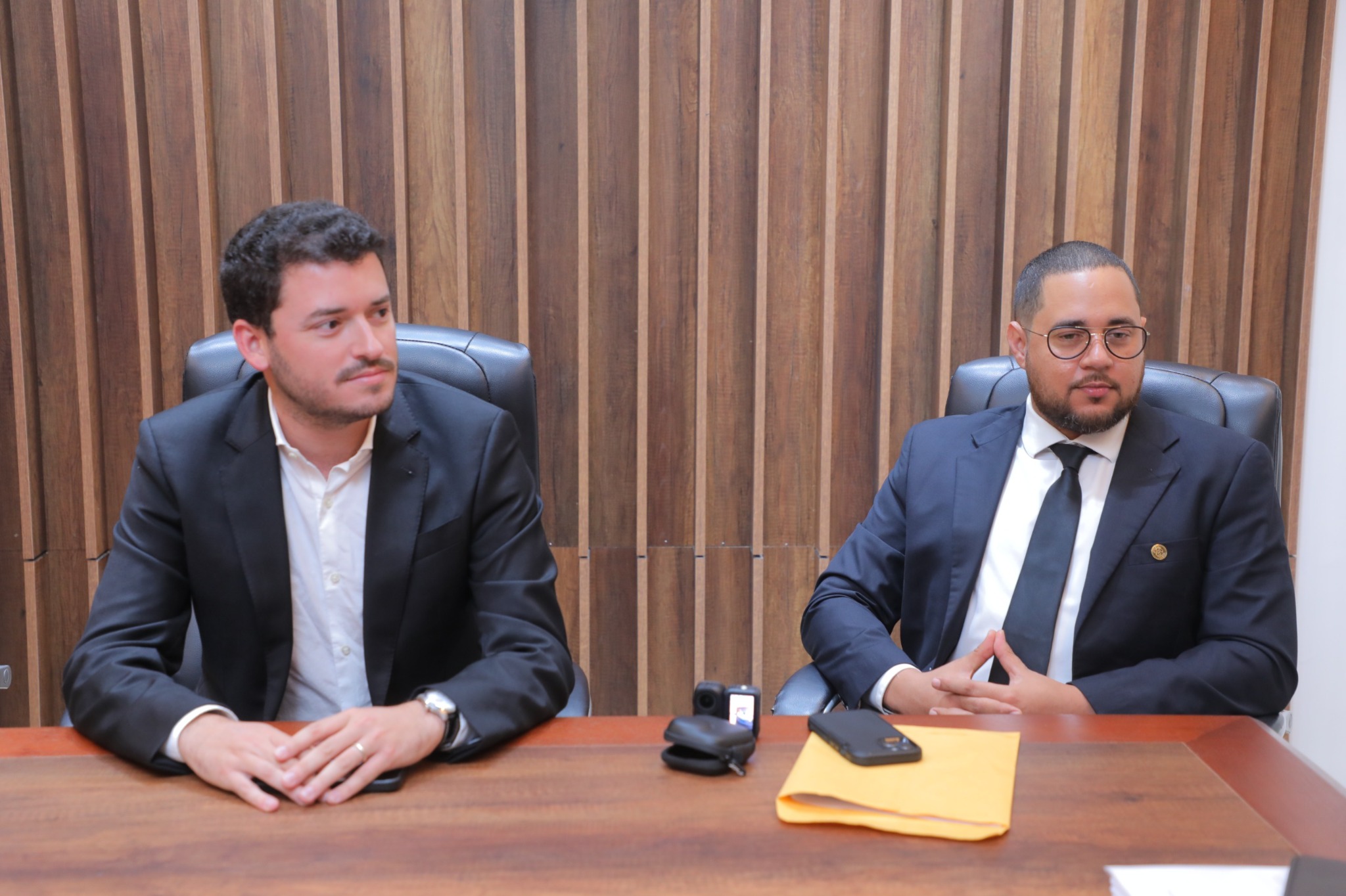
On May 28, 2026, the Standing Committee on Finance held a technical roundtable with private-sector representatives in the Juan Pablo Duarte Hall. It was the first time that players from the digital asset ecosystem sat before legislators to offer direct technical feedback.
Participants included: Virgilio Albert and Michael Albert (Grupo Multicómputos), José Frank Almeyda (FINLABS), Quilvio Fernández (financial agent), Julio Ferron (NEITEC) and Juan Garrido of Tether — the issuer of USDT, the world’s most traded stablecoin.
Tether’s presence was no minor detail. The company holds reserves in U.S. Treasury bonds that make it one of the largest individual holders of U.S. sovereign debt. Its participation in the consultation roundtables in Santo Domingo reflected the global industry’s interest in the Caribbean’s regulatory decisions.
8. Operation XL526: regulation as a security argument
On June 3, 2026, Diario Libre reported the dismantling of a criminal network in Santiago that used Bitcoin to launder assets. Operation XL526 arrived just as the legislative debate reached its peak.
The case was immediately invoked as an argument for regulatory urgency: no law, no supervision. But the argument cuts both ways. Specialists note that unregulated markets are not markets that disappear — they are markets that migrate underground. Well-designed regulation, with clear AML/CFT obligations for operators, can be more effective against crime than an implicit prohibition that pushes operations outside the formal financial system.
Operation XL526 did not tip the debate in any specific direction. But it did accelerate it. The argument that the country could no longer postpone the regulatory decision gained ground among legislators who until then had remained on the sidelines.

9. The June 8 hearing: the debate takes definitive shape
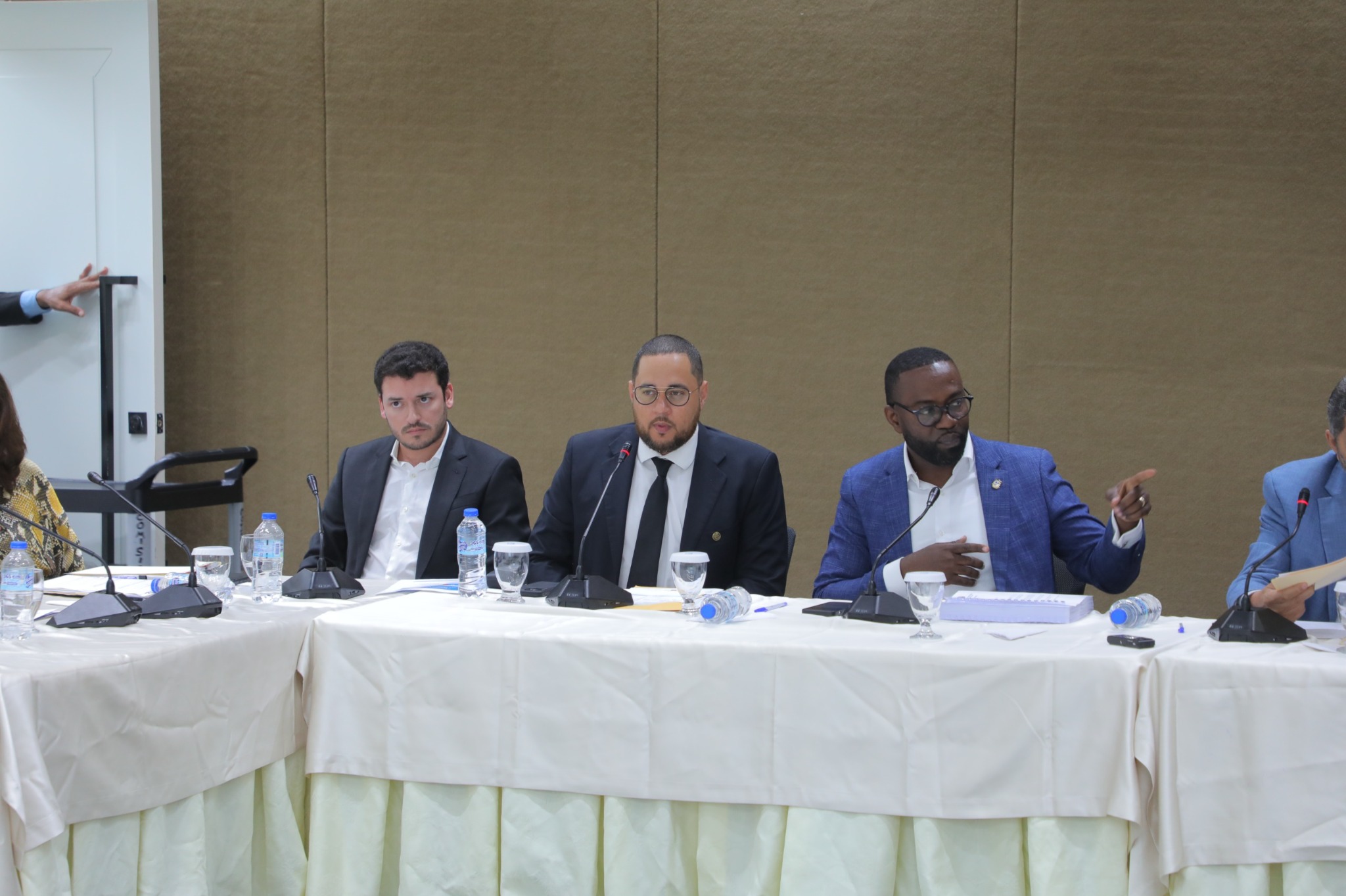
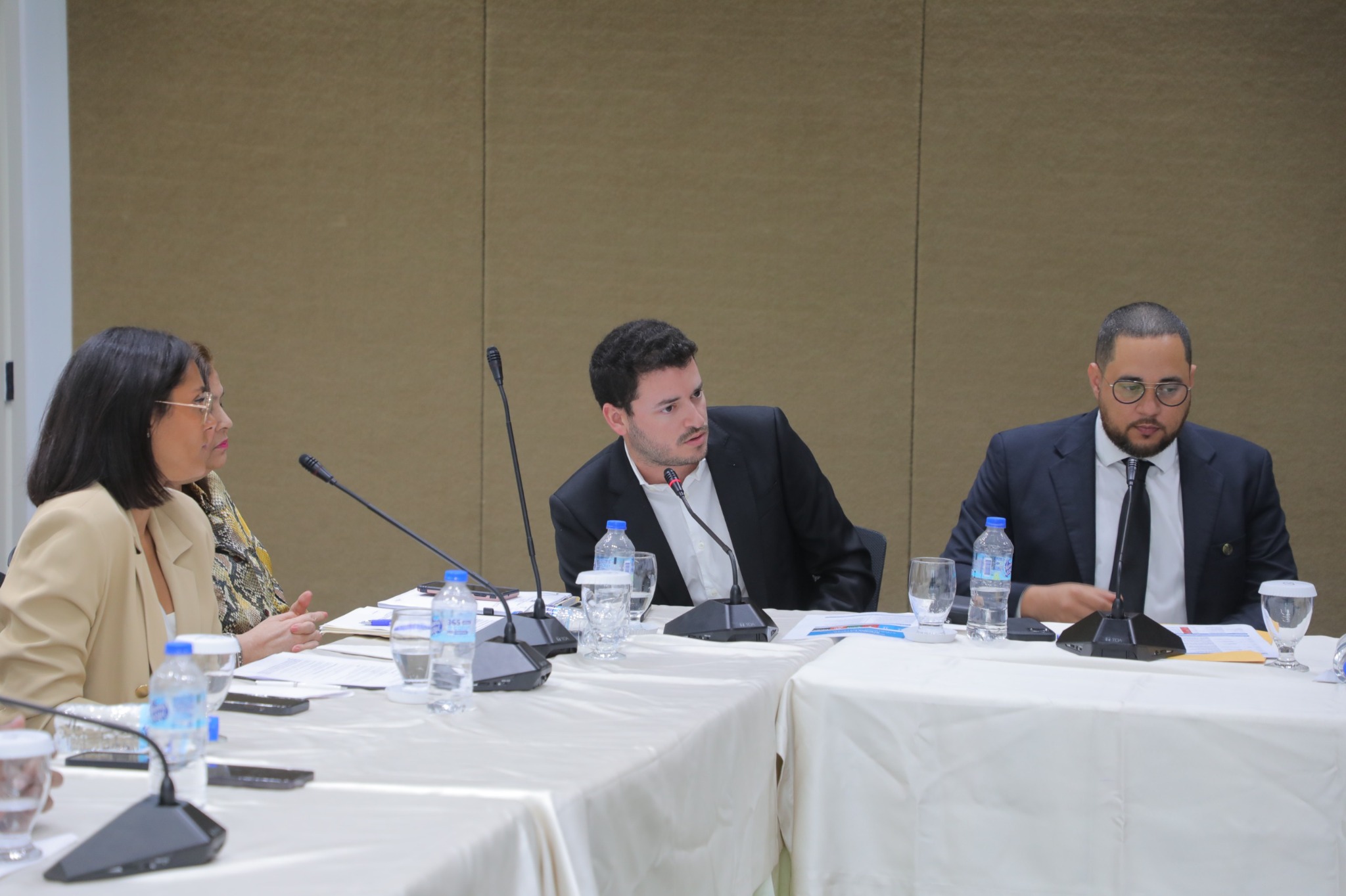
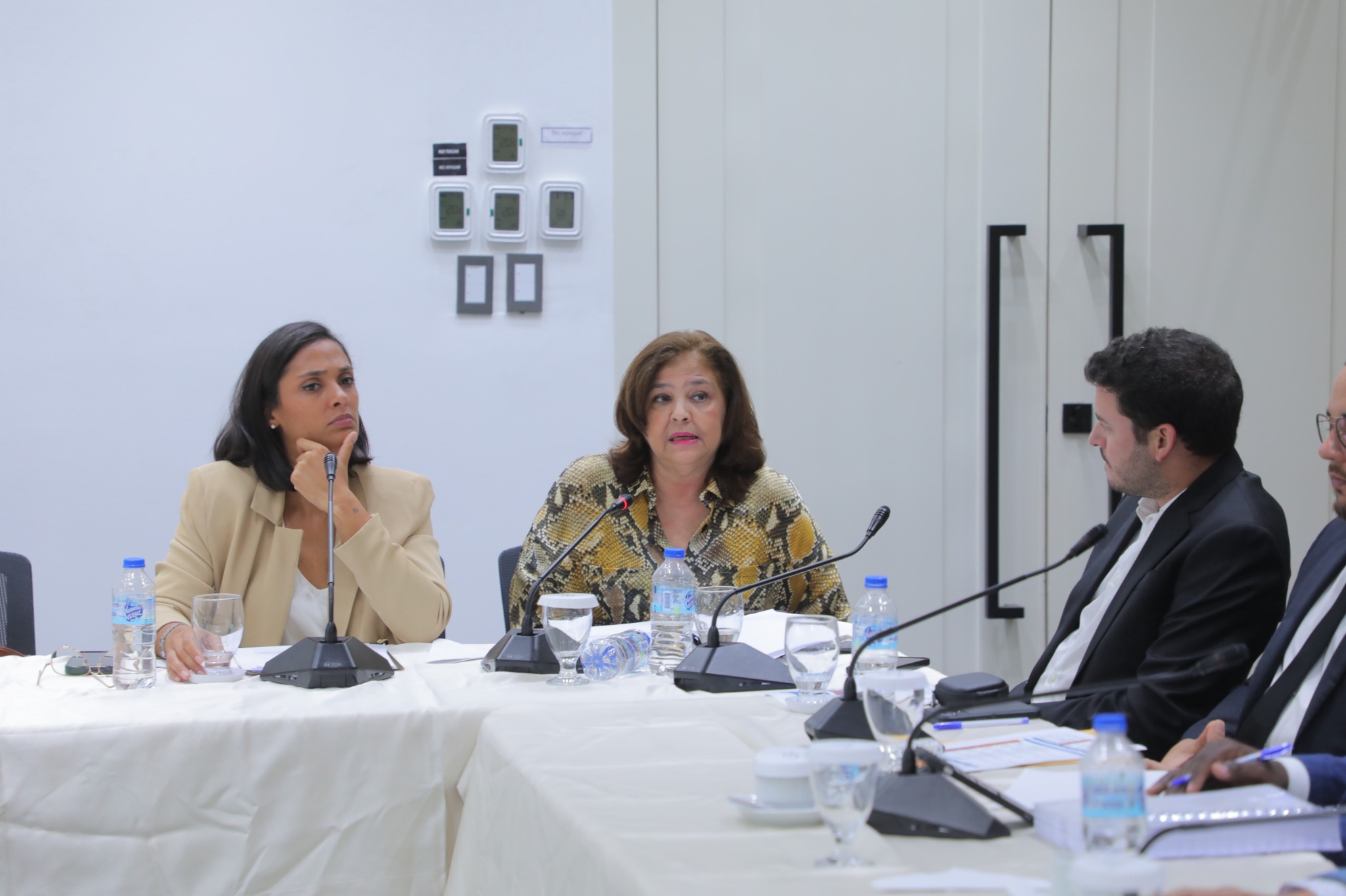
On June 8, 2026, in the Hugo Tolentino Dipp Hall of the National Congress, the most significant public hearing to date was held. It was chaired by Deputy Francisco Javier Paulino, president of the Finance Committee.
The speakers were: Pedro Vital García (Asociación de Bitcoin Dominicana), Giuliano Simó (Bitcoin RD), Syra Maruotti (entrepreneur) and Ana Lisbeth Matos (attorney specializing in anti-money-laundering).
On the legislative side, deputies Margarita Tejeda, Abelardo Rutinel, Carmen Ligia Barceló, Dorina Rodríguez, Enriqueta Rojas, Felix Hiciano, Jorge Frías, Charles Noel Mariotti Paz and Vicente Sánchez took part.
The hearing was an unprecedented exercise in legislative education. A technical introduction to how Bitcoin works as a decentralized payment network was presented, explaining its architecture without intermediaries and its potential as a tool for financial inclusion — particularly in the case of remittances, one of the pillars of the Dominican economy.
Ana Lisbeth Matos addressed the international AML/CFT framework and the obligations any Dominican legislation should incorporate to meet FATF standards. Her participation was decisive in balancing the debate: she showed that robust regulation and technological openness are not contradictory goals.
At the close, the Committee announced the next steps: hearing the positions of the Central Bank, the Superintendency of Banks and the DGII before the text moves to the floor of the Chamber.
10. The road ahead: decisions that will define the country for decades
By mid-June 2026, with two bills under analysis, a constitutional action pending judgment and several technical hearings completed, the first Dominican legislation on Bitcoin and digital assets seems closer than ever. But proximity does not guarantee quality.
Control vs. openness. Regulation that prioritizes oversight can create legal certainty but also entry barriers that discourage innovation. More open regulation can energize the sector but be perceived as lax by international bodies.
Speed vs. depth. The process is under political pressure — the Constitutional Court has a pending action, the industry wants clarity. But a hastily drafted law can generate technical inconsistencies that turn into litigation for years.
Bitcoin vs. the rest. The global debate has advanced in distinguishing between Bitcoin — a decentralized network with no central issuer — and stablecoins or tokens issued by private entities, which present very different risk profiles.
The regional lesson. El Salvador adopted bitcoin as legal tender in 2021 and had to amend the law under pressure from the IMF. The European Union took the opposite path: years of consultations, a MiCA regulation phased in gradually. Dominican stakeholders have said they do not want to repeat those mistakes. Neither model can be transplanted directly into the Dominican context.
What the 2026 process has built — and what sets it apart from other countries that legislated with less preparation — is a basis for real dialogue: the Bitcoin community at the table, regulators being consulted, two complementary bills as raw material.
The Dominican Republic has before it the opportunity to become the first country in the Caribbean to build, from within and with rigor, a legal framework for the digital economy of the 21st century. What it decides in the coming months will define what kind of country it wants to be in the global economy that is already taking shape.
LIVING DOCUMENT — PERMANENT NOTE
This is a living document and will be updated as legislative discussions on Bitcoin and digital assets in the Dominican Republic progress.
Upcoming updates will cover: the Central Bank’s position before the Finance Committee, the Superintendency of Banks’ report, the DGII’s response on the proposed tax regime, the unified text of both bills and the progress of the case before the Constitutional Court.
Last updated: June 18, 2026. English adaptation of the Spanish-language original.
Sources
- Chamber of Deputies of the Dominican Republic — Bill, Document ID 247397 (March 16, 2026)
- Central Bank of the Dominican Republic — Communiqués on virtual assets (2017, 2021)
- CriptoNoticias — “Ley que busca ‘orden y seguridad’ para bitcoin se presenta en República Dominicana” — Jesús Herrera, March 28, 2026
- CriptoNoticias — “Tether y políticos de Dominicana definen la regulación para las criptomonedas” — Jesús Herrera, May 29, 2026
- Diario Libre — “Llevan al Tribunal Constitucional la regulación de monedas digitales” — Jesús Vásquez, April 28, 2026
- RC Noticias — “Carlos de Pérez y Pedro Vital impulsan ley para regular bitcoin y activos digitales” — María Zabala, June 2, 2026
- Diario Libre — “Operación XL526: red desmantela red en Santiago que usaba Bitcoin para lavado de activos” — June 3, 2026
This special report was prepared with verified sources and official documents. It does not represent a position by CriptoDominicano.do for or against any particular bill. The aim is to document the legislative process with journalistic rigor, so that it serves as a reference for citizens, legislators, entrepreneurs and researchers. Quotations from Spanish-language sources are our own translations.
CriptoDominicano.do is a news outlet covering Bitcoin, the digital economy and financial technology in the Dominican Republic.


